
C. Todd Anderson, M.D.
Dr. Anderson, is a graduate of the University Texas Health Sciences Center at San Antonio School of Medicine, and completed his psychiatric residency at Texas A&M University Health Sciences Center/Scott & White Hospital, where he served as both chief resident in psychiatry, as well as the house staff president. He is board certified in general psychiatry by the American Board of Psychiatry and Neurology (ABPN) and is a fellow of The American Psychiatric Association.
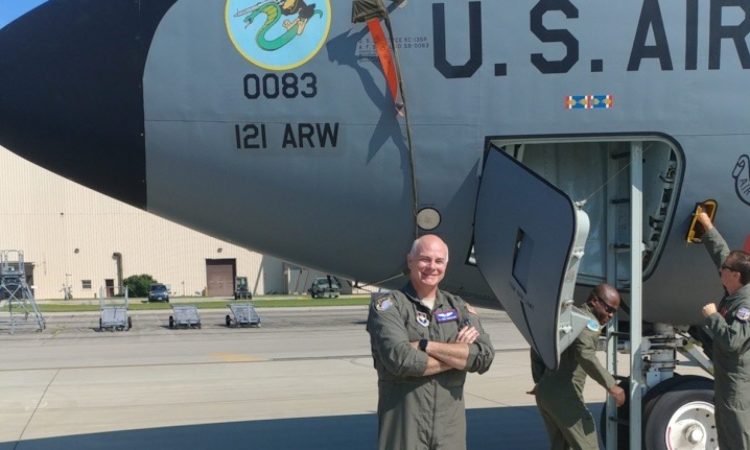
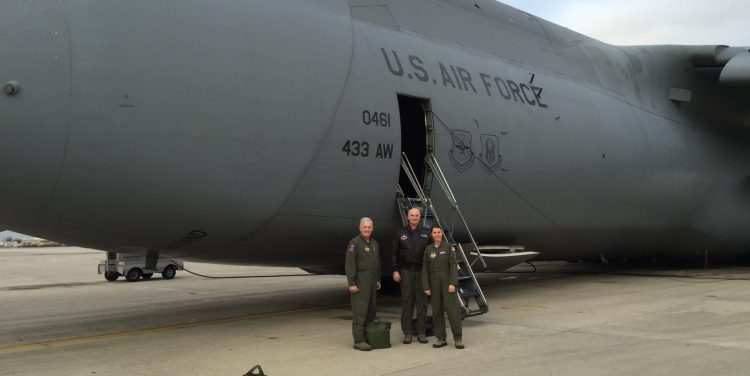
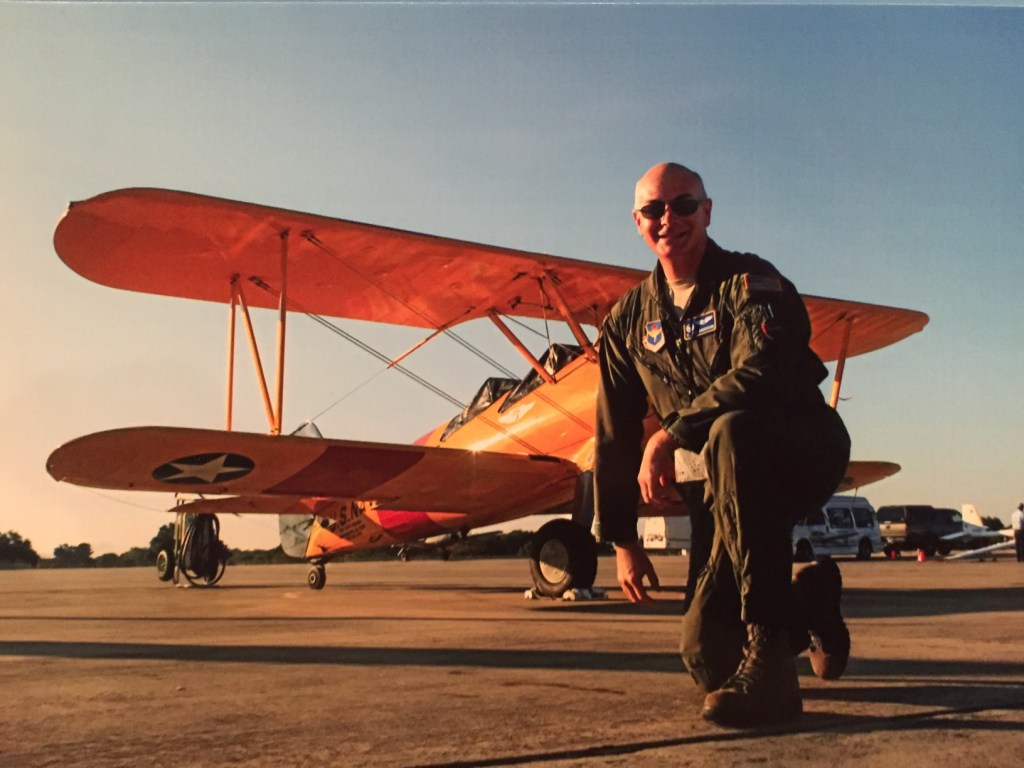
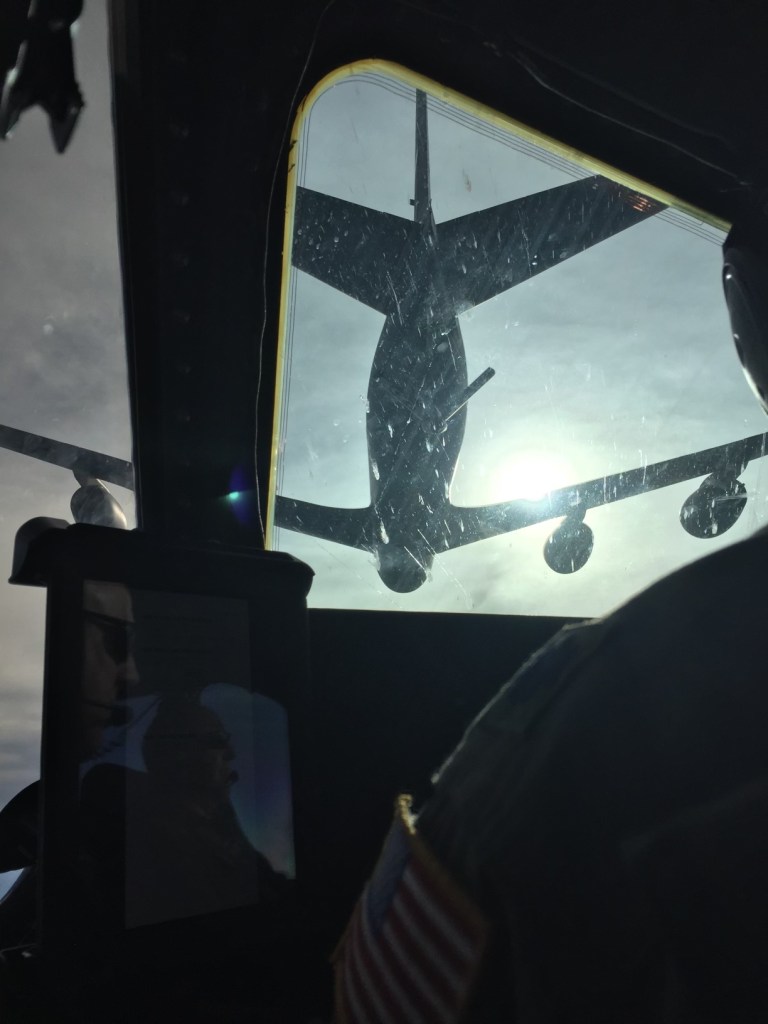
Dr. Anderson served as a psychiatrist and flight surgeon on both active duty with the USAF and the Ohio Air National Guard. As a consultant, he performed psychiatric evaluations for the National Aeronautics and Space Administration (NASA) in conjunction with the selection of the most recent class of astronauts in 2021 and while on active duty, performed aerospace medical psychiatric evaluations at the USAF Aeromedical Consult Service at Wright Patterson Air Force Base. As an active aircrew member, he has accrued flight hours in various airframes including, HH-60 Blackhawk, T-1 Jayhawk, T-38 Talon, F-16 Falcon, C-5A Galaxy, C-5M Super Galaxy, KC-135R Stratotanker, Cirrus SR22, & Curtis Pitts Special.
Dr. Anderson has an extensive background in evaluating and treating individuals with substance use disorders. He was the medical director for the Alcohol and Drug Abuse Prevention and Treatment (ADAPT) program at Wright-Patterson AFB. He evaluated aviation patients for two years at the USAF Aeromedical Consult Service at Wright-Patterson, similar to a HIMS evaluation. He worked for three years at a civilian inpatient hospital, treating both underlying psychiatric conditions and co-occurring substance use disorders (SUD), or sometimes primary SUD. For the last three years, he has been in solo private practice in Cincinnati, OH. He has patients in many high-functioning career fields including professional and collegiate athletes, corporate executives, doctors, lawyers, pilots, and more.
Dr. Anderson is HIMS Certified
A comprehensive HIMS psychiatric assessment requires a deep understanding of both psychiatric and substance use conditions, as well as familiarity with the FAA’s medical standards and program phases to which pilots must adhere under the HIMS program. These generally take somewhere between 8-12 hours in total (interview, records review, collateral interviews of family/friends, phone calls with treating providers, lab evaluations, report writing, etc).
The report generated from the comprehensive HIMS psychiatric evaluation is all-encompassing, providing the FAA physicians with the necessary information to adjudicate each case. While the FAA provides clear specifications for the report’s content, it does not prescribe a standardized template, though this may change in the future. Since there is significant variability between complexity of individual cases, reports may vary in length but are required to address each aspect detailed in the specification sheet received by the airman with the letter from the FAA.
It is important to recognize that despite being based on clinical information, the primary purpose of this report is to serve as a means to convey clinical information supporting regulatory decisions and is pivotal in ensuring aviation safety. The report is not intended as a conventional clinical report designed for therapeutic purposes, but the information could be used by a treating psychiatrist to refine the treatment plan for an airman.

If you are looking for a provider who knows what it’s like to fly, has extensive experience working with and treating aviators, and can help you understand just what that letter from the FAA says, call Dr. Anderson today.
 Dr. C. Todd Anderson, M.D., L.L.C. , Aerospace Psychiatry